Recycling and Sustainability at Woolwich Storage
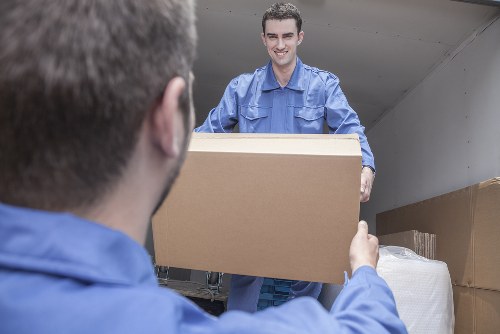 Woolwich Storage is committed to building a cleaner, more responsible way to store goods in South East London. Our approach to recycling and sustainability is designed to reduce waste, support local reuse, and lower the environmental impact of day-to-day operations. From a practical recycling percentage target to greener transport choices, we are working to make storage more sustainable for the communities we serve.
We have set a clear target to recycle or reuse at least 85% of operational waste, including cardboard, plastic wrapping, pallets, metals, and selected office materials. This target helps us track progress and encourages better sorting at source. In areas like Woolwich and the wider Royal Boroughs, where waste separation practices are increasingly important, careful sorting supports cleaner recycling streams and reduces contamination.
Our Woolwich storage sustainability strategy also focuses on reducing unnecessary disposal. Whenever possible, materials are separated for reuse before they ever reach a waste facility. Items such as shelving components, packaging, and protective materials are assessed for their next best use.  This simple change helps extend product life and reduces the amount of material sent to landfill or energy recovery.
To support responsible disposal, Woolwich Storage works with local transfer stations and authorised waste facilities that can process different material types safely and efficiently. These facilities are an important part of the Woolwich recycling network, helping route segregated waste into appropriate recovery streams. In practice, that means cardboard is handled separately from mixed rubbish, and bulky items are assessed for recycling potential before any final disposal step.
We also pay close attention to the kinds of recycling activity relevant to the local area. In many borough-led systems, residents and businesses are encouraged to separate paper, glass, metals, food waste, and residual waste into distinct collections. That same principle applies to our internal waste handling. By keeping streams separate, we improve the quality of recyclable materials and make it easier for downstream processors to recover useful resources.
 Our use of local transfer stations is supported by regular review of waste volumes and material categories, so we can choose the most suitable route for each stream. This helps us avoid unnecessary mileage and reduces the carbon footprint linked to waste movement. It also keeps us aligned with the broader aims of sustainable storage in Woolwich, where efficient local handling is better for both the environment and the community.
Partnerships with charities are another key part of our sustainability work. We aim to divert usable items away from disposal by supporting reuse where it can make a real difference. Through relationships with local charitable organisations, selected furniture, household goods, and office items can be passed on for second life use. This is especially valuable for items that remain in good condition but no longer fit our operational needs.
These charitable partnerships help create a practical circular economy. Instead of treating everything as waste, we look for opportunities to reuse, repair, or donate. That approach is consistent with the wider goals of Woolwich storage recycling, because the best recycling outcome is often to avoid waste altogether. Donations can support people in need while also reducing the pressure on recycling systems and landfill capacity.
We also encourage careful preparation of items before donation. Goods are checked for usability, separated by category, and packed in a way that supports efficient redistribution.  This reduces the handling burden for charities and increases the chance that materials will be accepted and used quickly. Where items cannot be donated, they are routed into the appropriate recycling stream whenever possible.
Transport is an important area where low-carbon vans make a meaningful difference. Woolwich Storage is increasingly using vehicles with lower emissions for local collections, deliveries, and operational moves. These vans are selected to reduce fuel consumption and support cleaner travel across South East London, especially on shorter routes where electric or hybrid models can be highly effective.
Low-carbon vehicles help cut the environmental impact associated with storage operations, particularly when combined with smarter route planning. By grouping jobs geographically and reducing empty mileage, we lower emissions while maintaining reliable service. This is a practical part of our Woolwich sustainability effort, and it complements our waste reduction work by addressing another major source of carbon output.
 We continue to review vehicle performance, charging needs, and route efficiency so that our fleet choices remain environmentally responsible over time. Alongside better waste separation and local reuse partnerships, low-carbon vans contribute to a more complete sustainability model. This means our Woolwich Storage recycling commitment is not limited to what happens at the waste point, but extends across the full operational journey.
Building a Greener Storage Model
Our long-term goal is to make sustainability part of everyday operations rather than an occasional initiative. That includes measuring recycling performance, improving material sorting, strengthening charity partnerships, and expanding the use of low-emission vehicles. It also means staying aware of borough-level waste priorities, such as separating recyclable packaging from general waste and keeping food, paper, and mixed recyclables out of the wrong bins.
We see this as a shared responsibility. Small changes, like flattening cardboard, separating plastics, and reusing packaging where suitable, can have a measurable impact when applied consistently. The same is true of choosing transfer stations and recovery partners that prioritise responsible processing. These decisions help Woolwich Storage reduce waste and support a more circular local economy.
Looking ahead, we will continue refining our recycling and sustainability approach so it reflects best practice for the area and delivers real environmental benefit. Whether through reuse, recycling, or lower-carbon transport, our aim is to keep improving how storage services can operate responsibly in Woolwich and beyond.